
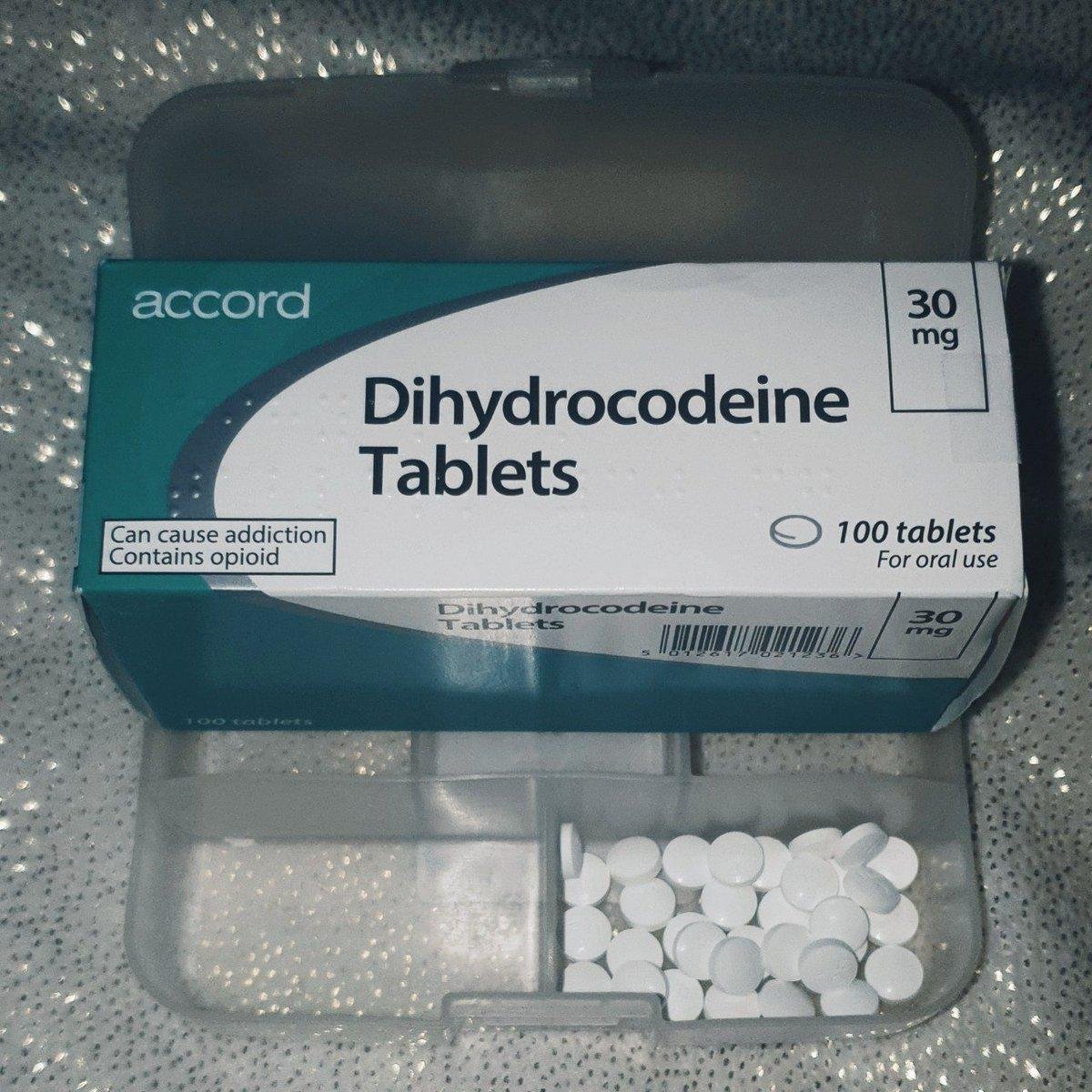
Dihydrocodeine 30mg (Accord) – Effective Pain Relief for Moderate to Severe Pain
What Is Dihydrocodeine 30mg (Accord)?
Dihydrocodeine 30mg (Accord) is a prescription pain relief medication used to treat moderate to severe pain when standard painkillers are not effective. It belongs to a group of medicines known as opioid analgesics, which work by blocking pain signals sent to the brain.
Patients commonly use dihydrocodeine for conditions such as injury-related pain, post-surgical discomfort, and chronic conditions like arthritis. It may also be prescribed for persistent cough in some cases, although pain management remains its primary use.
Dihydrocodeine 30mg Dosage Instructions for Adults
The dosage instructions for dihydrocodeine 30mg tablets must always be followed as prescribed by a healthcare professional.
- Typical adult dose: 30mg every 4–6 hours as needed
- Maximum dosage: Usually not exceeding 240mg per day
- Tablets should be swallowed whole with water
Doctors may adjust the dose depending on the patient’s condition, age, and response to treatment. It is important not to exceed the recommended dose to avoid serious side effects.
Prescription Guide for Dihydrocodeine 30mg (Accord)
Who Can Be Prescribed Dihydrocodeine?
Dihydrocodeine is prescribed for adults experiencing moderate to severe pain that cannot be controlled with non-opioid medications such as paracetamol or ibuprofen.
Prescription Requirements
- Prescription-only medicine (POM) in the UK
- Must be prescribed by a licensed doctor or qualified prescriber
- Often prescribed for short-term use to reduce the risk of dependence
Online Consultation Options
Many UK patients now access treatment through online consultations, where a registered healthcare provider assesses symptoms before issuing a prescription if appropriate.
Important Prescribing Considerations
Doctors will evaluate:
- Medical history and current medications
- Risk of dependency or substance misuse
- Severity and duration of pain
- Liver and kidney function
How Long Does Dihydrocodeine 30mg Last?
Dihydrocodeine typically begins to work within 30–60 minutes after taking a dose. Its pain-relieving effects usually last around 4 to 6 hours, making it suitable for regular dosing throughout the day when needed.
The medication may remain in the body longer depending on individual metabolism, but its primary effects are short-acting.
Dihydrocodeine 30mg Side Effects and Risks
Like all opioid medications, dihydrocodeine carries potential risks. Common side effects include:
- Drowsiness and sedation
- Nausea or vomiting
- Constipation
- Dizziness
More serious risks can include breathing difficulties, especially if taken in high doses or combined with other sedative substances.
Patients should be cautious about dihydrocodeine and alcohol interaction risks, as combining them can significantly increase sedation and respiratory depression.
Dependency and Withdrawal Considerations
Dihydrocodeine has the potential for dependence if used over a long period. Patients should only use it for the prescribed duration.
Possible withdrawal symptoms may include:
- Restlessness
- Sweating
- Irritability
- Difficulty sleeping
Doctors may recommend gradually reducing the dose rather than stopping suddenly to minimise withdrawal effects.
Dihydrocodeine 30mg vs Other Painkillers
Patients often compare dihydrocodeine with other pain medications such as codeine or tramadol. Dihydrocodeine is generally considered stronger than standard codeine and may provide more effective relief for moderate pain.
However, due to its opioid nature, it is usually prescribed only when safer alternatives are insufficient.
Safe Use and Best Practices
To ensure safe and effective use of Dihydrocodeine 30mg (Accord):
- Take only as prescribed
- Avoid alcohol and sedative medications unless approved by your doctor
- Do not drive or operate machinery if you feel drowsy
- Store securely and keep out of reach of children
Final Thoughts
Dihydrocodeine 30mg (Accord) is a reliable option for managing moderate to severe pain when used responsibly under medical supervision. With proper adherence to prescription guidelines and safety measures, patients can achieve effective pain relief while minimising risks.
Always consult a qualified healthcare professional before starting or stopping this medication to ensure it is the right choice for your condition.



Reviews
There are no reviews yet.